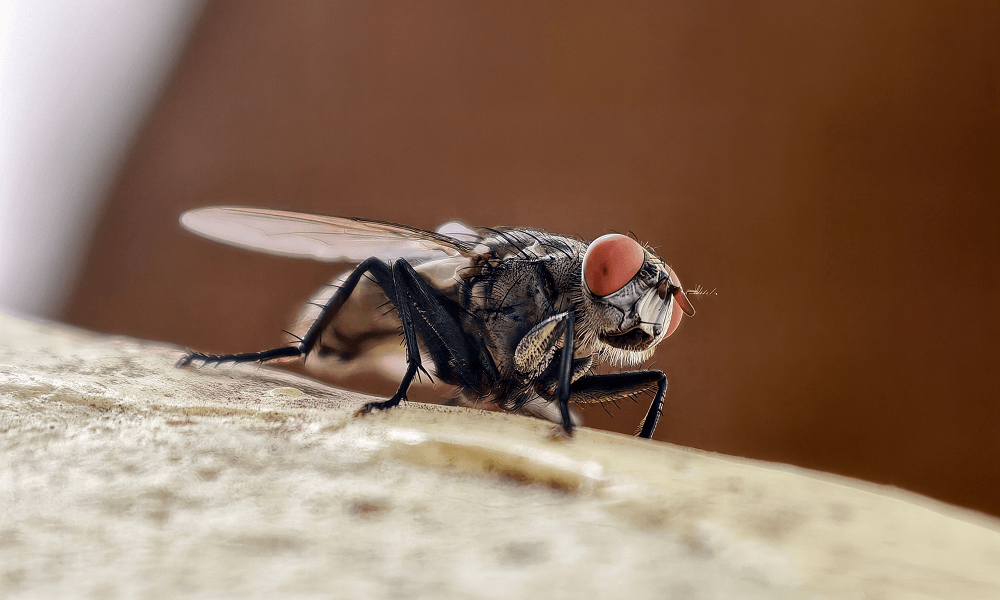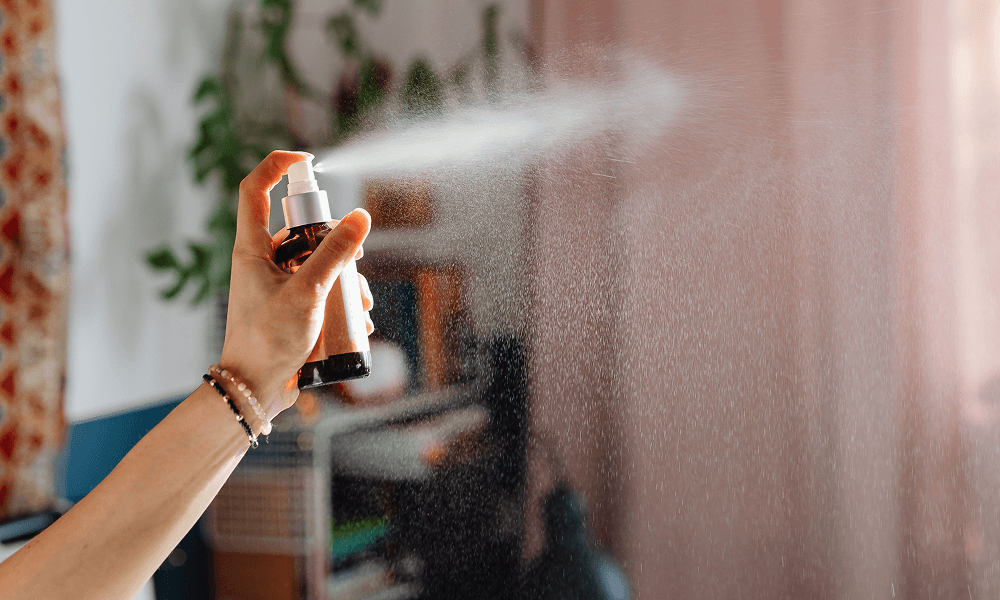
Keeping your home pest-free is an important part of maintaining a clean, comfortable, and healthy living environment. Different pests become more active during different seasons, which means pest prevention should be a year-round effort. From ants and mosquitoes in warmer months to rodents seeking shelter during colder weather, taking a proactive approach can help protect your home throughout the year.
Here are some practical tips to keep unwanted pests away in every season.
1. Keep Your Home Clean and Clutter-Free
A clean home is one of the best defenses against pests. Crumbs, food spills, standing water, and clutter can create the perfect environment for insects and rodents.
Make sure to:
- Sweep and vacuum floors regularly.
- Wipe kitchen counters and dining areas after meals.
- Clean up food spills immediately.
- Avoid leaving dirty dishes overnight.
- Empty indoor garbage bins frequently.
- Keep storage areas organized and free from unnecessary clutter.
Pay special attention to hidden areas, such as behind appliances, under furniture, and inside cabinets. These spaces can easily become hiding places for pests.
2. Store Food Properly
Improperly stored food can quickly attract ants, cockroaches, rodents, and other pests. Even small crumbs or open food packages can become a food source.
Store dry foods such as flour, cereal, rice, and pet food in airtight containers. Keep fruits and vegetables properly stored, and avoid leaving food uncovered on countertops for long periods.
Don’t forget about pet food. Clean your pet’s feeding area regularly and avoid leaving uneaten food out overnight.
3. Seal Cracks and Entry Points
Pests can enter your home through surprisingly small gaps and openings. Regularly inspect your home’s exterior for cracks around windows, doors, pipes, vents, and foundations.
Consider:
- Sealing cracks with appropriate caulk or sealant.
- Installing weather stripping around doors.
- Repairing damaged window screens.
- Covering vents and openings with proper mesh.
- Checking for gaps around utility pipes.
Preventing pests from entering is often much easier than dealing with an infestation later.
4. Eliminate Moisture Problems
Many pests are attracted to moisture. Cockroaches, mosquitoes, termites, and other insects can thrive in damp environments.
Check your home regularly for:
- Leaking pipes or faucets.
- Water collecting under sinks.
- Poor drainage around the property.
- Damp basements or storage areas.
- Standing water in containers or outdoor spaces.
Fix leaks as soon as possible and ensure bathrooms, kitchens, and other humid areas have proper ventilation.
5. Maintain Your Yard and Outdoor Areas
Your yard can play a major role in pest activity around your home. Overgrown plants, piles of leaves, and standing water can provide ideal hiding and breeding areas.
Keep your outdoor space maintained by:
- Mowing the lawn regularly.
- Trimming bushes and tree branches away from your home.
- Removing piles of leaves and garden waste.
- Keeping firewood stored away from the house.
- Eliminating standing water from buckets, pots, and other containers.
A well-maintained outdoor area makes it harder for pests to settle near your home.
6. Pay Attention to Seasonal Pest Problems
Different seasons bring different pest challenges. Understanding these changes can help you prepare in advance.
Spring: Ants, termites, and other insects often become more active as temperatures rise. Inspect your home for entry points and signs of insect activity.
Summer: Mosquitoes, flies, ants, and wasps can become a major concern. Remove standing water and keep doors and windows properly screened.
Fall: Rodents and insects may begin looking for warm places to shelter. Seal gaps and inspect your home before colder weather arrives.
Winter: Mice, rats, and other pests may enter homes searching for food and warmth. Keep storage areas clean and monitor for signs of rodent activity.
7. Dispose of Garbage Properly
Garbage is one of the biggest attractions for pests. Make sure trash bins have tightly fitting lids and are cleaned regularly.
Avoid allowing garbage to accumulate indoors or outdoors for long periods. Outdoor bins should be placed away from doors and windows whenever possible.
Regular waste management can significantly reduce the chances of attracting flies, rodents, cockroaches, and other unwanted visitors.
8. Inspect Your Home Regularly
Regular inspections can help you identify pest problems before they become serious. Look for common warning signs, including:
- Droppings or unusual odors.
- Chewed wires, furniture, or food packaging.
- Small holes or cracks in walls.
- Insect nests or trails.
- Damaged wood.
- Unusual sounds in walls or ceilings.
The earlier you identify a problem, the easier it is usually to manage.
9. Avoid Bringing Pests Inside
Pests can sometimes enter your home through items you bring indoors. Boxes, second-hand furniture, plants, firewood, and luggage can occasionally carry insects or other pests.
Inspect items before bringing them inside, especially if they have been stored outdoors or in garages. This simple habit can help prevent unexpected pest problems.
10. Schedule Professional Pest Inspections
While regular cleaning and prevention are important, professional pest control can provide additional protection. Regular inspections can help identify hidden pest activity and potential problem areas that may not be obvious.
A professional pest control plan can be especially useful for homes with recurring pest problems or properties located in areas with high pest activity.
Final Thoughts
Keeping your home pest-free requires consistent care throughout the year. By maintaining a clean home, sealing entry points, eliminating moisture, managing outdoor spaces, and staying aware of seasonal pest activity, you can greatly reduce the risk of infestations.
Prevention is always better than dealing with a major pest problem. A few simple habits and regular inspections can help keep your home clean, comfortable, and protected all year long.