Pests can quickly turn a comfortable home or business into a stressful environment. From ants and cockroaches to termites, rodents, and bed bugs, unwanted pests can cause property damage, contaminate food, and create hygiene concerns. When a pest problem appears, many people face an important question: Should I handle it myself or hire a professional pest control service?
Both DIY pest control and professional services have their advantages. The best choice often depends on the type of pest, the severity of the infestation, and your budget. In this article, we’ll compare both options to help you make an informed decision.
What Is DIY Pest Control?
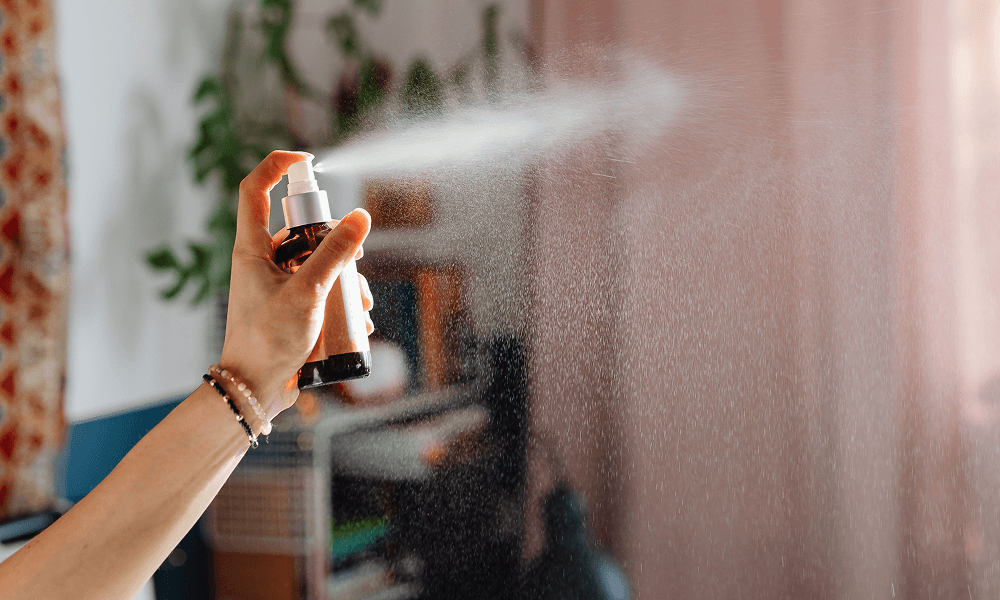
DIY pest control involves using products and methods that you can purchase and apply yourself. These may include sprays, traps, bait stations, powders, repellents, and natural remedies.
DIY methods are often used for small or occasional pest problems. For example, you might use ant bait for a few ants in the kitchen or set traps after noticing signs of a rodent.
Advantages of DIY Pest Control
1. Lower Initial Cost
One of the biggest advantages of DIY pest control is affordability. Store-bought products usually cost less upfront than hiring a professional service. For minor pest problems, this can be a practical solution.
2. Immediate Action
You don’t have to wait for an appointment. If you notice a pest problem, you can purchase a product and take action right away.
3. Convenient for Small Problems
DIY solutions can work well for isolated or minor issues. If you catch a pest problem early, simple treatments may help prevent it from becoming more serious.
4. More Control Over the Process
Some homeowners prefer handling pest control themselves because they can choose the products and methods they want to use.
Disadvantages of DIY Pest Control
While DIY treatments can be useful, they also have limitations.
1. It May Only Treat the Visible Problem
Seeing a few pests doesn’t always reveal the full extent of an infestation. For example, eliminating visible cockroaches may not address hidden nesting areas. The same is true for ants, termites, and other pests that live inside walls, floors, or other difficult-to-reach spaces.
2. Incorrect Product Use Can Reduce Effectiveness
Different pests require different treatment methods. Using the wrong product or applying it incorrectly may produce poor results and allow the infestation to continue.
3. Recurring Infestations Are Common
DIY treatments may provide temporary relief without addressing the source of the problem. If entry points, nesting areas, moisture issues, or food sources remain, pests can return.
4. Some Infestations Are Difficult to Handle
Termites, bed bugs, large rodent infestations, and widespread pest problems often require specialized knowledge and equipment. Attempting to handle a serious infestation alone can sometimes delay effective treatment.
What Are Professional Pest Control Services?
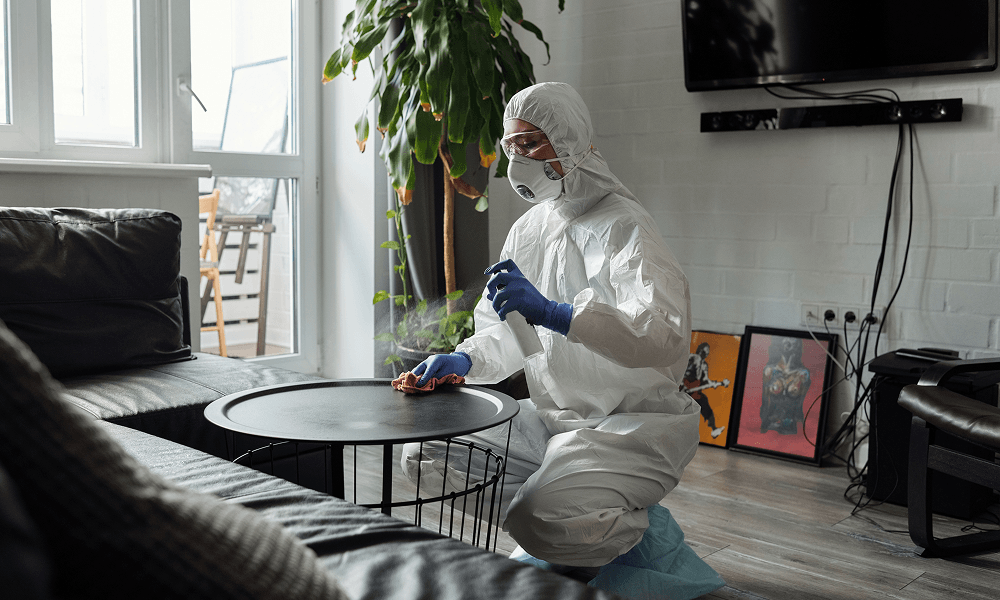
Professional pest control involves trained technicians who inspect your property, identify the pest problem, and recommend an appropriate treatment plan.
Depending on the situation, professional services may include inspection, targeted treatment, monitoring, exclusion methods, and follow-up visits.
Advantages of Professional Pest Control
1. Accurate Pest Identification
One of the most important benefits of hiring a professional is proper identification. Different pests can look similar or leave similar signs, but they may require completely different treatment approaches.
A professional can help determine:
- What type of pest is present
- Where the pests are coming from
- Where they may be hiding or nesting
- How severe the infestation is
- Which treatment approach is most appropriate
2. More Comprehensive Treatment
Professional services generally focus on more than simply eliminating visible pests. A thorough approach may address hiding places, entry points, nesting areas, and conditions that attract pests.
This can provide a more complete solution, particularly for persistent infestations.
3. Access to Specialized Knowledge and Equipment
Pest control professionals have experience dealing with a wide range of pest problems. They understand pest behavior and can select treatment strategies based on the specific situation.
This is particularly valuable for difficult pests such as:
- Termites
- Bed bugs
- Rodents
- Cockroaches
- Wasps and other stinging insects
- Large ant colonies
4. Saves Time and Effort
Researching pests, purchasing products, applying treatments, and repeating unsuccessful methods can take considerable time. Hiring a professional allows you to leave the inspection and treatment process to an experienced technician.
5. Preventive Pest Management
Professional services can also focus on prevention. Technicians may identify conditions that increase the risk of future infestations and recommend ways to make your property less attractive or accessible to pests.
When Should You Call a Professional?
Professional pest control is often the better option when the problem is persistent, widespread, or difficult to identify.
Consider contacting a professional if:
The Pest Problem Keeps Returning
If you’ve tried multiple products but pests continue to return, there may be an underlying source that has not been addressed.
You Notice Signs of a Large Infestation
Large numbers of pests, frequent sightings, unusual odors, droppings, property damage, or signs of nesting may indicate a more serious issue.
You Suspect Termites or Other Property-Damaging Pests
Some pests can cause significant damage if left untreated. Early professional assessment can help you understand the extent of the problem.
You Have a Bed Bug Problem
Bed bugs can be difficult to eliminate because they hide in small cracks and can spread throughout a property. A professional treatment plan is often the more reliable approach.
You Don’t Know What Type of Pest You Have
Effective treatment starts with accurate identification. If you’re unsure what you’re dealing with, professional inspection can prevent wasted time and money on ineffective products.
Final Thoughts
So, is DIY pest control or professional pest control better?
The answer depends on your situation. DIY methods can be a practical and affordable choice for small, isolated pest problems. However, professional services are often the better option for persistent, severe, or difficult infestations.
If you’re dealing with recurring pests or you’re unsure about the source of the problem, professional guidance can help you develop a more targeted solution.
The best approach is to act early. Addressing pest activity before it becomes a major infestation can help protect your property and create a cleaner, more comfortable environment.