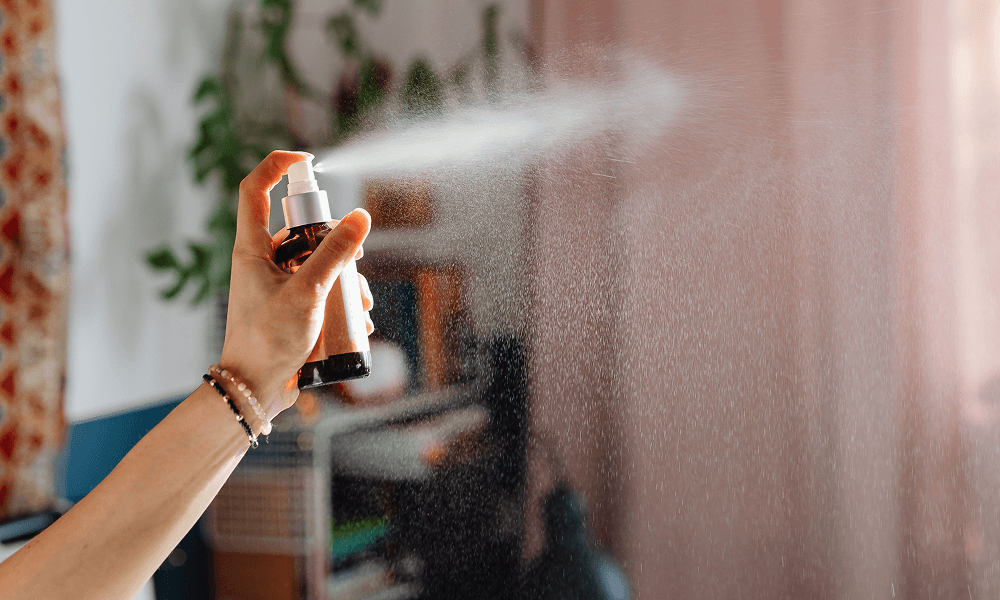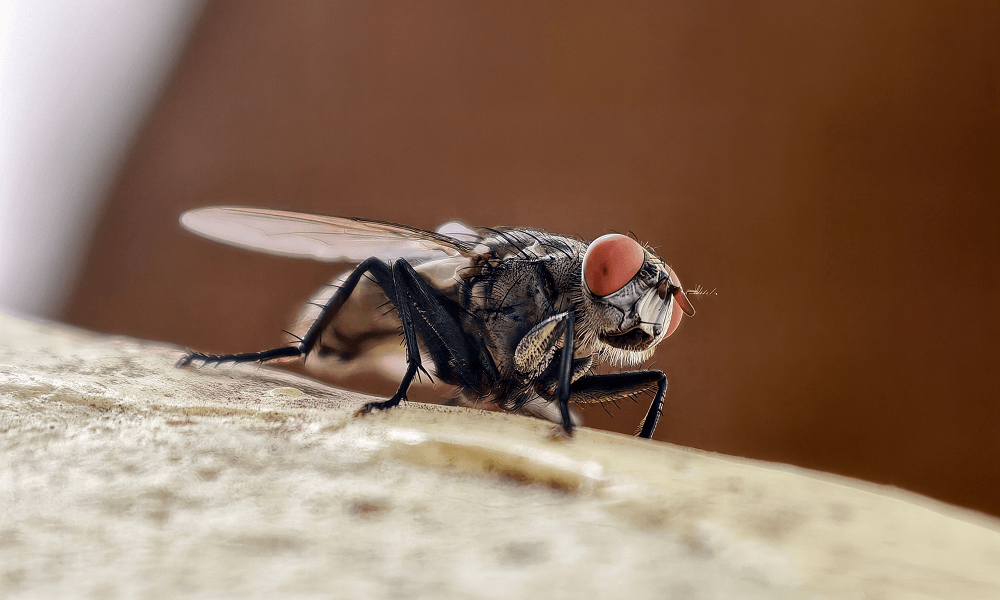
Your home should be a comfortable and healthy place to live. However, common household pests can quickly become a problem when they find access to food, water, and shelter. From ants in the kitchen to mosquitoes in the backyard, pests can cause property damage, spread germs, and make your home uncomfortable.
The good news is that many pest problems can be prevented with regular cleaning, proper maintenance, and early action. Below are some of the most common household pests and practical ways to keep them away.
1. Ants
Ants are among the most common household pests. They are usually attracted to food, հատկապես sugary substances, crumbs, and spills. Once a few ants find a food source, they can leave a scent trail that attracts more ants.
How to prevent ants:
- Clean up food crumbs and spills immediately.
- Store food in airtight containers.
- Keep kitchen counters and floors clean.
- Seal cracks and gaps around doors, windows, and walls.
- Avoid leaving pet food out for long periods.
- Fix leaking pipes or areas with excess moisture.
If you notice a large number of ants regularly, there may be a nest nearby that requires professional treatment.
2. Cockroaches
Cockroaches prefer warm, dark, and moist areas. They are commonly found in kitchens, bathrooms, basements, and areas near plumbing. Cockroaches can contaminate food and surfaces, making them an important pest to control quickly.
How to prevent cockroaches:
- Keep your kitchen clean and free from food debris.
- Take out the garbage regularly.
- Avoid leaving dirty dishes overnight.
- Store food in sealed containers.
- Fix leaking faucets and pipes.
- Seal cracks, gaps, and openings around your home.
- Keep cardboard and unnecessary clutter to a minimum.
Early prevention is important because cockroaches can reproduce quickly once they establish themselves indoors.
3. Rodents
Mice and rats can enter homes through surprisingly small openings. They are attracted to food, warmth, and shelter, especially during colder or wetter seasons. Rodents can damage furniture, wiring, insulation, and stored items.
How to prevent rodents:
- Seal holes and gaps around walls, pipes, and foundations.
- Keep food stored in sturdy, sealed containers.
- Clean up crumbs and food waste regularly.
- Keep garbage bins tightly closed.
- Remove clutter from storage areas.
- Trim vegetation and keep outdoor areas tidy.
If you hear scratching sounds in walls or notice droppings, it is important to address the issue as soon as possible.
4. Mosquitoes
Mosquitoes are not only annoying but can also pose health concerns in some regions. They breed in standing water and are most active during warmer and more humid conditions.
How to prevent mosquitoes:
- Remove standing water from buckets, containers, and outdoor items.
- Clean gutters regularly.
- Change water in pet bowls and birdbaths frequently.
- Keep outdoor water storage properly covered.
- Use screens on windows and doors.
- Maintain your yard and avoid areas where water collects.
Regularly checking your property for standing water can significantly reduce mosquito breeding areas.
5. Termites
Termites can cause serious damage to wooden structures, furniture, and other materials containing cellulose. Because they often remain hidden, termite damage may go unnoticed until the problem becomes significant.
How to prevent termites:
- Keep wood and wooden materials away from direct contact with soil.
- Repair leaking pipes and moisture problems.
- Ensure proper drainage around your home’s foundation.
- Avoid storing firewood directly against your home.
- Keep crawl spaces and basements well ventilated.
- Schedule regular professional inspections if termites are common in your area.
Prevention and early detection are especially important when dealing with termites because structural damage can become expensive to repair.
6. Bed Bugs
Bed bugs are small insects that can hide in mattresses, furniture, luggage, and cracks around sleeping areas. They can easily spread from one location to another through personal belongings.
How to prevent bed bugs:
- Inspect hotel rooms and accommodations when traveling.
- Check luggage and clothing after returning from a trip.
- Regularly inspect mattresses, bed frames, and furniture.
- Reduce clutter around bedrooms.
- Wash and dry bedding regularly.
- Avoid bringing used furniture into your home without carefully inspecting it.
If bed bugs are suspected, quick action is essential to prevent them from spreading throughout the home.
7. Spiders
Most spiders found in homes are harmless and can even help control other insects. However, many homeowners prefer to keep them out of living spaces.
How to prevent spiders:
- Regularly remove webs from corners and outdoor areas.
- Keep storage spaces clean and organized.
- Seal cracks around windows and doors.
- Reduce clutter in basements, garages, and attics.
- Control other insects that may attract spiders.
Keeping the area around your home clean and reducing insect activity can help discourage spiders.
8. Flies
Flies are commonly attracted to food, garbage, and organic waste. They can enter homes through open doors and windows and quickly become a nuisance.
How to prevent flies:
- Keep garbage bins covered.
- Dispose of food waste regularly.
- Clean kitchen surfaces and dining areas.
- Do not leave ripe or uncovered food exposed.
- Use window and door screens.
- Keep drains and garbage areas clean.
Good sanitation is one of the most effective ways to reduce fly activity.
General Tips for Keeping Your Home Pest-Free
Preventing pests is easier than dealing with a major infestation. Here are some simple habits that can help protect your home:
- Keep your home clean: Regular cleaning removes food sources and hiding places.
- Control moisture: Repair leaks and reduce standing water.
- Seal entry points: Check doors, windows, pipes, and foundations for gaps.
- Store food properly: Use airtight containers whenever possible.
- Manage waste: Dispose of garbage regularly and keep bins closed.
- Reduce clutter: Piles of boxes, paper, and unused items can provide hiding places.
- Maintain outdoor areas: Trim plants, remove debris, and keep water from collecting near your home.
- Act early: Address signs of pest activity before the problem becomes larger.
Conclusion
Household pests can be frustrating, but consistent prevention can make a big difference. By keeping your home clean, controlling moisture, sealing entry points, and maintaining your property, you can reduce the chances of an infestation.
If you notice persistent pest activity despite your prevention efforts, professional pest control services can help identify the source of the problem and provide an effective treatment plan. Taking action early is the best way to protect your home, family, and property.