Regular grooming is an important part of keeping your dog comfortable, clean, and healthy. However, there is no single grooming schedule that works for every dog. Your dog’s breed, coat type, lifestyle, and individual needs all influence how often grooming should be done.
Brushing Your Dog
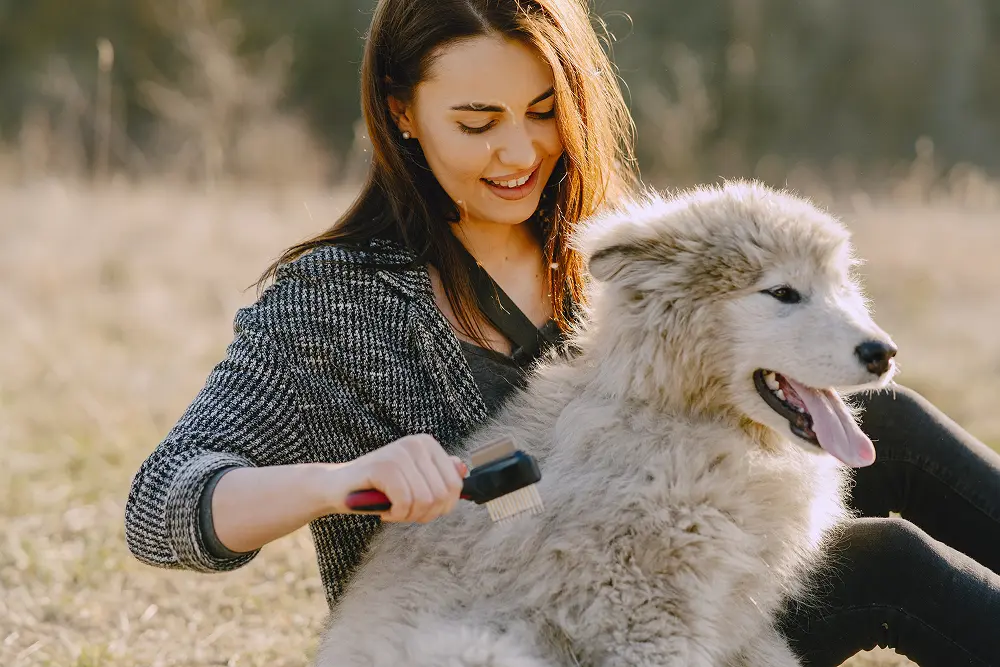
Brushing helps remove loose hair, dirt, and debris while reducing mats and tangles. Short-haired dogs may only need brushing once a week, while dogs with long, thick, or curly coats may need brushing several times a week or even daily.
Bathing Your Dog
Most dogs do not need frequent baths unless they become dirty or have a specific skin condition. Bathing too often can sometimes dry or irritate the skin. Use a dog-friendly shampoo and follow your veterinarian or groomer’s recommendations if your dog has sensitive skin.
Nail Trimming
Long nails can make walking uncomfortable and may affect your dog’s posture and movement. Check your dog’s nails regularly and trim them when they become too long. If you are unsure how to trim them safely, a professional groomer or veterinary team can help.
Ear Cleaning
Some dogs are more prone to ear problems than others, particularly dogs with floppy ears or those that spend a lot of time swimming. Check the ears regularly for redness, swelling, unpleasant odors, or unusual discharge. Avoid inserting objects deep into the ear canal.
Dental Care
Grooming should also include attention to your dog’s teeth. Regular brushing with pet-safe toothpaste can help maintain oral hygiene. Professional dental cleanings may also be recommended by your veterinarian depending on your dog’s dental health.
Professional Grooming
Dogs with long, curly, or continuously growing coats may benefit from professional grooming every few weeks. A professional groomer can provide bathing, brushing, trimming, nail care, and other coat maintenance based on your dog’s needs.
Create a Grooming Routine
The best grooming schedule is one that matches your dog. Regular brushing, nail checks, bathing when needed, ear monitoring, and dental care can make grooming easier and help you notice changes in your dog’s health early.
If you notice skin irritation, unusual lumps, persistent ear problems, excessive scratching, or other concerning changes during grooming, speak with your veterinarian.