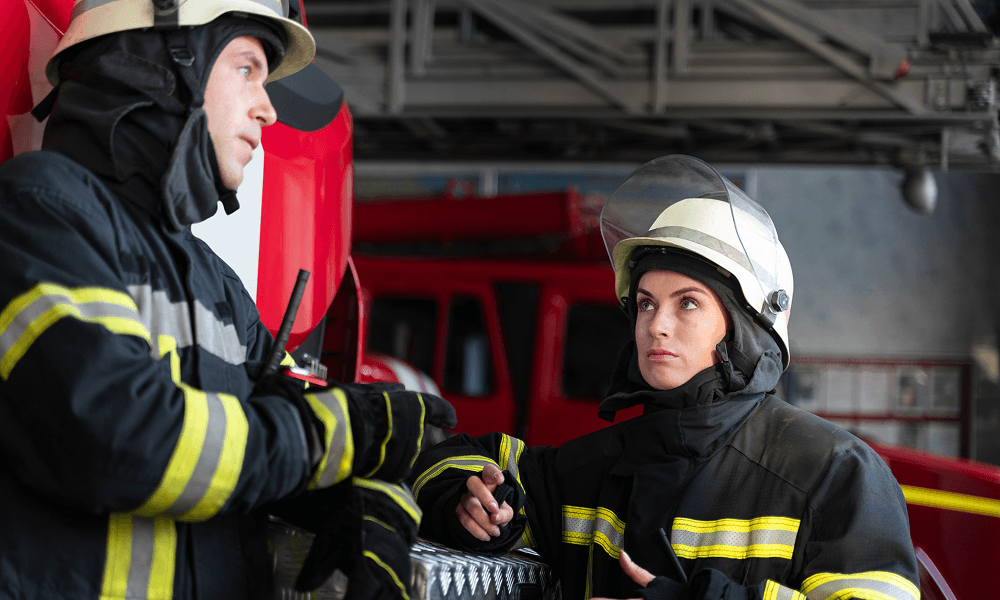
Fire safety is one of the most important aspects of protecting people, property, and valuable assets. While modern fire protection systems significantly reduce risks, prevention remains the first line of defense. Understanding basic fire safety practices can help prevent emergencies and ensure everyone knows how to respond if a fire occurs.
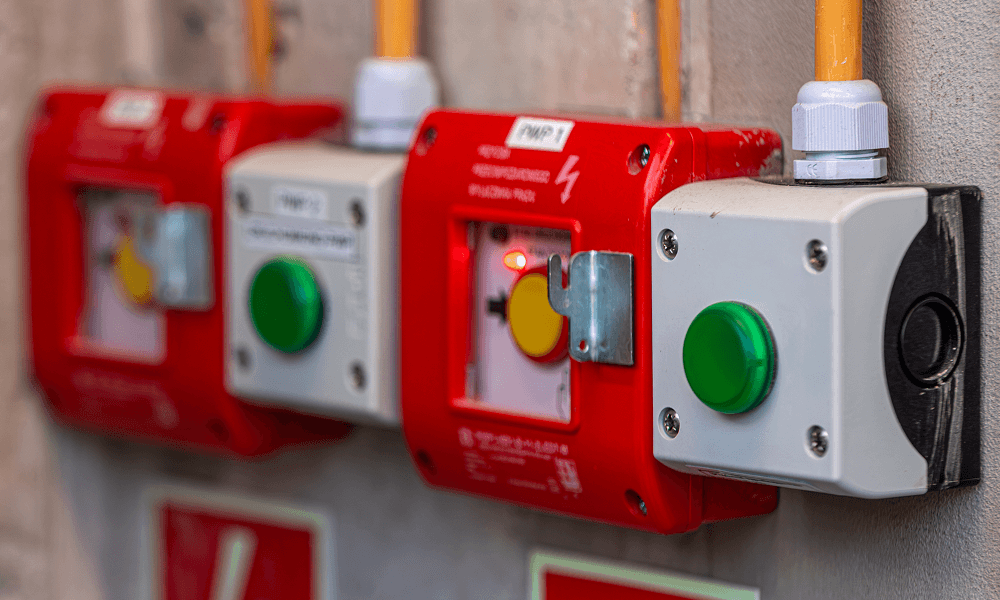
Every home and workplace should have smoke detectors installed in key areas and tested regularly. Early detection provides valuable time for occupants to evacuate safely and allows emergency services to respond before a fire spreads.
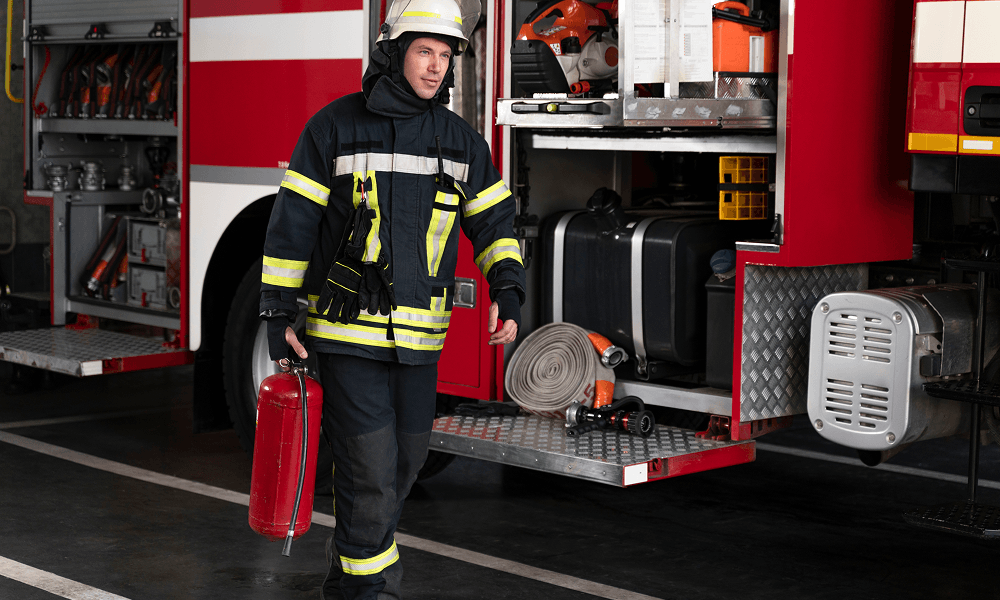
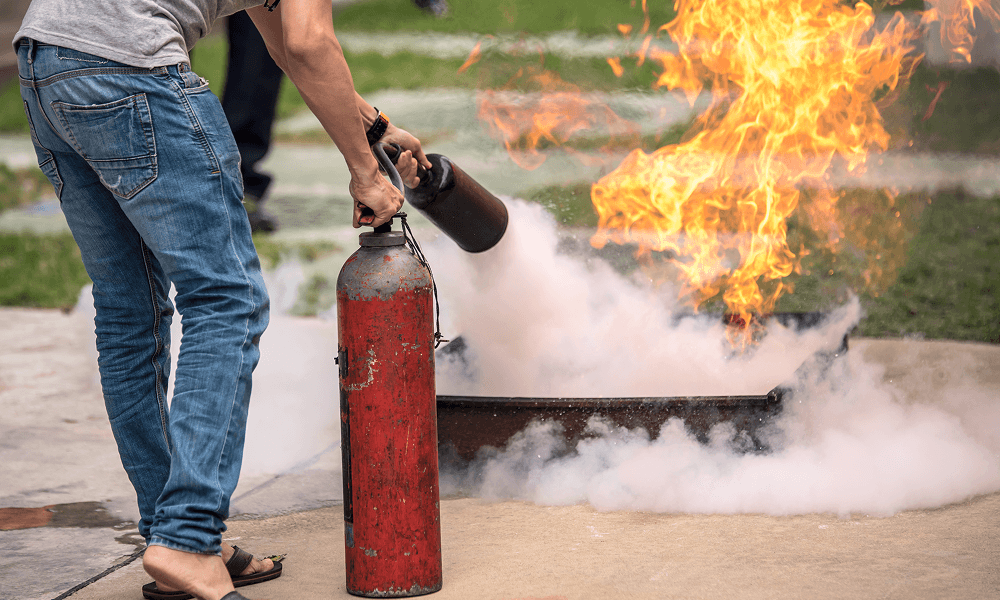
Fire extinguishers should always be easily accessible and appropriate for the types of hazards present. Employees and family members should understand how to use an extinguisher correctly and know when it is safe to attempt to control a small fire.
Developing and practicing an evacuation plan is equally important. Clearly marked exit routes, designated assembly points, and regular fire drills help ensure everyone can leave the building quickly during an emergency.
Electrical equipment should be inspected frequently for damaged wiring, overloaded outlets, or faulty appliances. Proper maintenance greatly reduces the risk of electrical fires, one of the leading causes of property damage.
Professional inspections and routine maintenance of fire protection systems ensure equipment performs as expected when it matters most. Working with experienced fire safety professionals helps keep your property compliant and prepared.
By combining prevention, education, and reliable fire protection systems, you can create a safer environment for your family, employees, customers, and visitors while minimizing the impact of potential fire hazards.