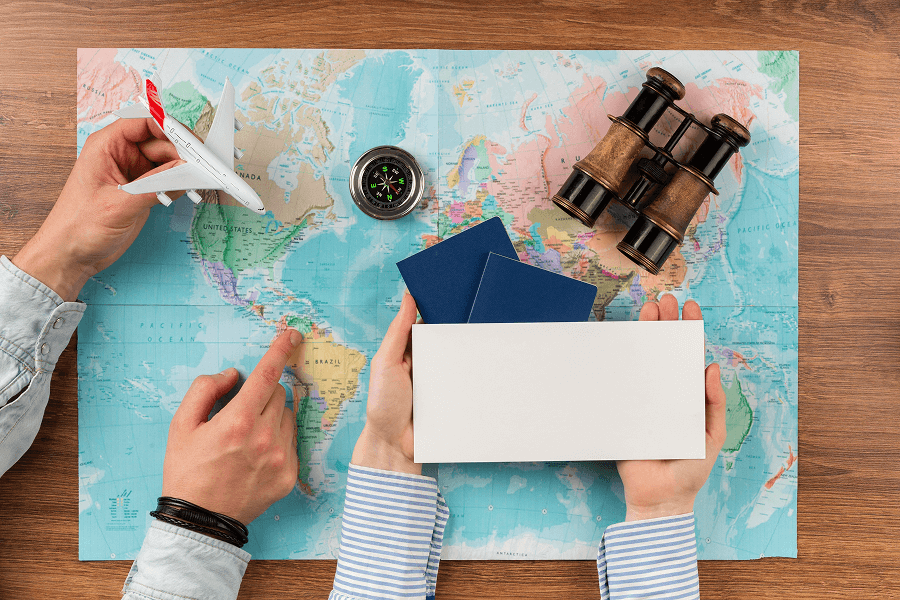

Immigration is not just a change in geography—it is a journey of identity, routine, and quiet transformation. This post explores the subtle emotional and practical aspects of moving abroad, wrapped in a poetic reflection.
Key Points:
- Preparing the heart as well as the suitcase
- Understanding paperwork and bureaucracy
- Embracing uncertainty with grace
- The unexpected joy of cultural contrast
- Creating comfort in unfamiliar surroundings
The Luggage of the Heart
Before the suitcase is packed, the heart begins its own journey. It wonders, it frets, it dreams. To immigrate is not to abandon, but to transplant—carefully, like a rose bush prepared for new soil. The days leading up to departure are filled not only with lists and locks, but also with silent goodbyes and whispered hopes. One must prepare not just a checklist, but a chamber within, ready to hold both nostalgia and discovery.
The Paperwork Waltz
Ah, the elegant dance of forms and approvals. It is a rhythm not taught in school but learned in waiting rooms and government portals. To perceive a visa officer’s nod is akin to applause after a long performance. Every document—birth certificate, degree, proof of funds—becomes a line in the symphony of your new beginning. Tedious? Perhaps. But noble, in its own bureaucratic way.
Uncertainty as a Companion
It arrives quietly, this companion called Uncertainty. It does not knock—it simply sits beside you on the plane, walks with you through customs, and lays itself beside your first night’s rest abroad. But do not fear it. For those who learn to walk with the unknown also learn to walk freely. And often, it is in uncertainty that the first seeds of confidence are planted.
Joy in Contrast
There is a peculiar delight in contrast. Where once breakfast was spiced and warm, now it is buttered and crisp. Where greetings were spoken with bowed heads, now they come with cheerful waves. And yet, there is joy—not in replacing old with new, but in seeing life through two lenses at once. The immigrant becomes a bridge—not torn between worlds, but enriched by both.
Home, Reimagined
Eventually, you buy a teacup that feels like yours. You find a street that looks like a memory. You speak in the local tongue—halting, perhaps, but honest. And slowly, without your noticing, the foreign becomes familiar. The flat you once rented becomes a refuge. The air smells like your life. You are, finally, home—not because of where you are, but because of who you’ve become.